Nutrition, Membrane Models
How to Choose the Right Lipids for mRNA Vaccine: Overcoming Challenges in Formulation and Delivery
- *
The rapid development of mRNA vaccines is reshaping modern immunology and vaccine research. However, the inherent instability of mRNA molecules and the complexity of in vivo delivery make lipids a critical component in vaccine technology. Lipids not only protect mRNA from degradation but also enhance its intracellular delivery efficiency. For researchers, selecting the right lipid combination is a central challenge to achieving efficient, safe, and controllable immune responses. This article systematically analyzes the role of lipids in mRNA vaccines, common selection challenges, lipid types, and optimization strategies, while introducing how BOC Sciences provides support to advance mRNA vaccine development.
Understanding the Role of Lipids in mRNA Vaccine Technology
In mRNA vaccines, lipids are more than simple carriers; they are key to ensuring mRNA stability and effective delivery. The choice and combination of lipids directly affect encapsulation efficiency, in vivo stability, and the strength of the immune response. When designing vaccine formulations, researchers need a comprehensive understanding of lipid functions within LNP structures to lay the foundation for safe and effective vaccine development.
Why Lipids Are Critical for mRNA Stability and Delivery?
mRNA molecules are inherently sensitive nucleic acid chains, prone to nuclease degradation, and their negatively charged phosphate backbone limits transmembrane entry into cells. Therefore, directly using naked mRNA in vitro or in vivo is almost ineffective for delivery. Lipids encapsulate mRNA within lipid nanoparticles (LNPs), providing a physical barrier against degradation and promoting cellular uptake through membrane fusion or endocytosis. Moreover, the ionizable properties and chemical structures of lipids can significantly influence mRNA release efficiency and immune activation, making the choice of lipids crucial for vaccine stability and efficacy.
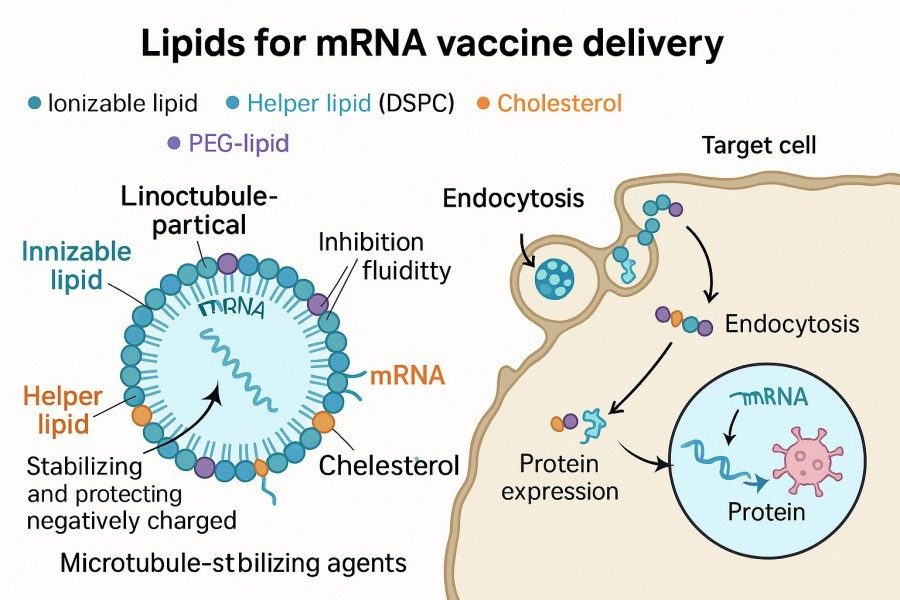 Fig. 1. Lipids for mRNA vaccine delivery (BOC Sciences Authorized).
Key Lipid Components in mRNA Vaccine Formulations
Common lipid components in mRNA vaccines include:
- Ionizable Lipids: Positively charged in acidic environments, forming stable complexes with mRNA, while neutral at physiological pH to reduce toxicity.
- Phospholipids: Form the lipid bilayer scaffold, providing structural stability and participating in membrane fusion.
- Cholesterols: Enhances LNP membrane fluidity and structural integrity, improving in vivo stability.
- PEGylated Lipids: Modified with polyethylene glycol to extend circulation half-life and reduce nonspecific uptake.
These components work synergistically to effectively encapsulate, protect, and deliver mRNA to target cells while maintaining good biocompatibility.
Lipid Services at BOC Sciences
| Services | Capabilities |
|---|---|
| Lipid Synthesis Services | Custom lipid synthesis designed to meet your research needs and accelerate scientific development projects. |
| Lipid Formulation Development | Optimize lipid combinations for improved delivery efficiency, stability, and overall performance in formulations. |
| Lipid Modification Services | Tailor lipid structures with chemical modifications to enhance functionality, targeting, and biocompatibility. |
| Lipid Nanoparticles Development | Develop advanced lipid nanoparticles for precise mRNA, drug delivery, and controlled-release applications. |
| Liposome Preparation Services | High-quality liposomes engineered for consistent particle size, stability, and reproducible encapsulation efficiency. |
| Liposome Encapsulation Services | Efficiently encapsulate bioactive molecules within liposomes to improve delivery, protection, and therapeutic efficacy. |
Common Challenges in Lipid Selection for mRNA Vaccines
Selecting the right lipid combination is challenging. Researchers must ensure efficient encapsulation while balancing biocompatibility, immune activation, and potential toxicity. Understanding these challenges helps developers design LNP formulations more precisely, increasing the likelihood of successful and safe vaccine development.
Achieving Efficient mRNA Encapsulation and Protection
High mRNA encapsulation efficiency is essential for vaccine success. The hydrophilic/hydrophobic balance, pKa, and molecular structure of different lipids affect mRNA binding and stability. Improper lipid selection may cause mRNA leakage or degradation, reducing vaccine potency. Researchers must precisely adjust lipid ratios, ionization states, and nanoparticle preparation processes to maintain mRNA integrity during production, storage, and in vivo delivery.
Balancing Lipid Biocompatibility and Immunogenicity
Lipids affect not only delivery efficiency but also immune responses. Some ionizable lipids or novel derivatives may trigger excessive inflammation, while over-PEGylation may suppress vaccine immunogenicity. Therefore, lipid selection requires balancing biocompatibility and immune activation to ensure efficient delivery without severe side effects.
Addressing Lipid-Induced Toxicity and Side Effects
Excessive or improper lipid combinations may lead to liver toxicity, inflammation, or infusion reactions. Formulation design should consider lipid dosage, metabolic pathways, and in vivo behavior when complexed with mRNA. Optimizing lipid chemical structures and using low-toxicity alternatives can effectively reduce potential side effects, providing a safer environment for vaccine administration.
Types of Lipids Used in mRNA Vaccine Delivery Systems
A wide variety of lipids are used in mRNA delivery systems, each playing different roles within nanoparticles. Understanding lipid types and functions is key to efficient LNP design and improved vaccine efficacy. Different lipids affect mRNA encapsulation, stability, in vivo distribution, immune activation, and toxicity risks. Therefore, rational combination and optimization of lipid types are crucial steps in successful mRNA vaccine development.
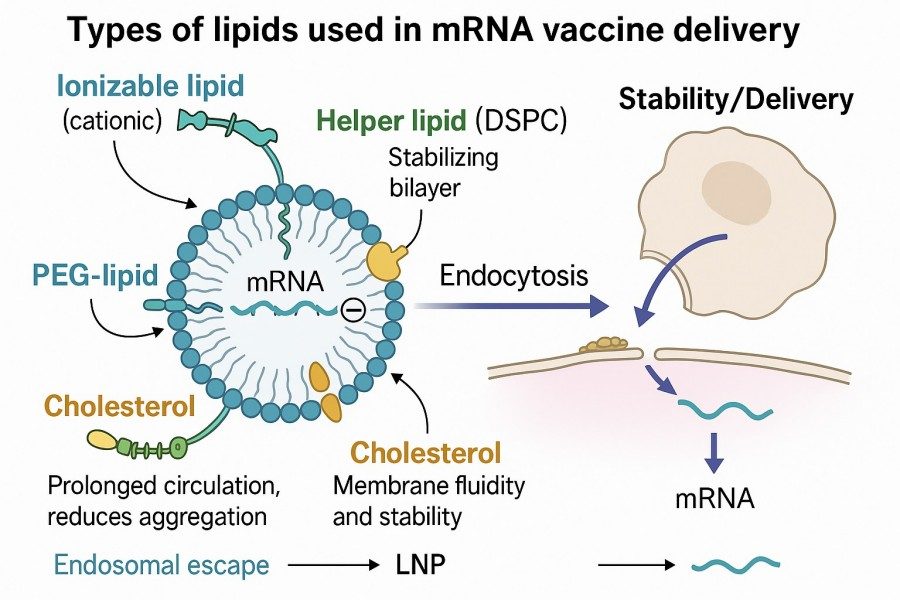 Fig. 2. Types of lipids used in mRNA vaccine (BOC Sciences Authorized).
Ionizable Lipids for RNA Delivery
Ionizable lipids carry a positive charge in acidic environments, forming stable complexes with negatively charged mRNA, while remaining neutral in blood to reduce cytotoxicity and adverse reactions. They are essential for efficient mRNA encapsulation and cellular delivery, protecting mRNA from nuclease degradation and promoting endosomal escape. Common ionizable lipids, such as SM-102 and ALC-0315, have been widely used in COVID-19 vaccines, significantly enhancing in vivo delivery efficiency and immunogenicity. Researchers typically adjust the structure and ratio of ionizable lipids according to the target tissue and cell type to achieve optimal delivery.
Phospholipids and Cholesterol in Lipid Nanoparticles (LNPs)
Phospholipids form the bilayer of nanoparticles, providing structural stability and playing a key role in LNP-cell membrane fusion. Cholesterol fills gaps between lipid layers, enhancing membrane fluidity and nanoparticle stability, improving durability and in vivo performance. Together, these lipids form the foundational framework of LNPs, maintaining nanoparticle shape and function while encapsulating mRNA. Adjusting phospholipid and cholesterol ratios can optimize particle size, surface characteristics, and cellular uptake, enhancing overall vaccine efficacy.
PEGylated Lipids for Improved Circulation and Stability
PEGylated lipids use hydrophilic polyethylene glycol chains to reduce nonspecific interactions with plasma proteins, slowing clearance by the mononuclear phagocyte system. They also stabilize LNPs, preventing aggregation or fusion during storage or in vivo, thereby extending circulation half-life. Incorporating PEGylated lipids is critical for improving in vivo distribution uniformity and sustained immune response. Proper design of PEG chain length and density can minimize potential suppression of immunogenicity while maintaining delivery efficiency.
Advanced Strategies for Lipid Optimization in mRNA Vaccines
With the advancement of mRNA technology, simply using standard lipid formulations is no longer sufficient to meet the demands for efficient and precise delivery. Modern research emphasizes fine-tuning lipid structures and combinations to enhance mRNA delivery efficiency, stability, and immune activation. By introducing novel derivatives, adjusting lipid ratios, and employing engineered designs, researchers can significantly reduce toxicity risks while achieving targeted delivery to specific tissues or cells. Innovations in lipid optimization strategies have become a core approach to improving efficacy and safety in mRNA vaccine development.
Tailoring Lipid Composition for Targeted Delivery
By adjusting the ratios of ionizable lipids, phospholipids, cholesterol, and PEGylated lipids, tissue- or cell-specific delivery can be achieved, enhancing vaccine efficacy while minimizing systemic side effects. Studies show that increasing certain anionic phospholipids or modifying lipid surfaces with specific targeting ligands can improve LNP uptake by immune cells, the liver, or other target tissues. Different lipid combinations also affect nanoparticle size, surface charge, and membrane fluidity, thereby influencing in vivo distribution and intracellular release. Through precise lipid formulation design, researchers can achieve more efficient mRNA delivery and controlled immune responses.
Enhancing Endosomal Escape through Lipid Engineering
After endocytosis, mRNA must be released from endosomes into the cytoplasm to function—an essential determinant of vaccine efficacy. Designing lipids with pH sensitivity or membrane-fusion capabilities can enhance endosomal escape, ensuring effective protein expression. For example, increasing ionizable lipids with acid-sensitive head groups can alter lipid membrane structures in acidic endosomal environments, promoting mRNA release. Additionally, optimizing lipid chain length, saturation, and headgroup structures can significantly affect endosomal escape rates, providing multidimensional strategies to improve delivery efficiency.
Novel Lipid Derivatives and Their Impact on Vaccine Efficacy
Novel lipid derivatives include multifunctional lipids, structurally optimized ionizable lipids, and polymer-modified lipids, which can simultaneously enhance mRNA stability and delivery efficiency. Some derivatives reduce immunotoxicity, lower inflammatory responses, and improve vaccine safety. Functionalized lipids can also enable targeted delivery, control release rates, or enhance antigen expression, optimizing immune responses. Overall, these new lipid derivatives provide greater flexibility in mRNA vaccine development, allowing research teams to design personalized formulations for different diseases and immune requirements.
Analytical Techniques to Characterize Lipids in mRNA Vaccine Formulations
The quality and functionality of lipids in LNPs directly affect mRNA delivery, making scientific and systematic analysis essential in vaccine development. Precise analytical techniques enable researchers to ensure lipid purity, complexation efficiency, and nanoparticle stability, providing data support for formulation optimization and manufacturing improvements. Proper characterization methods can also predict LNP behavior in vivo, enhancing delivery reliability and immune response efficiency.
Lipid Purity and Composition Analysis
Techniques such as high-performance liquid chromatography (HPLC), mass spectrometry (MS), and nuclear magnetic resonance (NMR) can accurately analyze lipid purity, molecular composition, and chemical structure. Ensuring lipids are free from degradation products, residual solvents, or other impurities is critical to maintaining LNP stability and biocompatibility. These analyses help researchers optimize lipid sources, select the most suitable lipid types, and adjust formulations in a timely manner. High-purity lipids not only guarantee mRNA encapsulation efficiency but also reduce potential immunotoxicity and adverse reaction risks.
Assessing Lipid-Mediated mRNA Delivery Efficiency
In vitro transfection assays, fluorescently labeled mRNA tracking, and flow cytometry can evaluate the delivery efficiency and intracellular release of lipids in different formulations. Quantitative analysis of LNP uptake rate, distribution, and expression allows researchers to identify optimal lipid combinations and ratios. Such characterization also helps understand how lipid structures affect endosomal escape and mRNA release, guiding the optimization of nanoparticle design. Ultimately, these data provide scientific guidance for improving in vivo transcription efficiency and immune responses.
Stability Testing of Lipid-mRNA Complexes
Lipid-mRNA complexes must maintain particle stability during storage and use to prevent aggregation or degradation. Techniques such as dynamic light scattering (DLS), zeta potential measurement, and freeze-drying reconstitution tests can evaluate particle size, surface charge, and long-term storage stability. Stability testing predicts vaccine performance under transport and storage conditions and informs manufacturing process optimization. Systematic stability assessment is also a critical step in meeting preclinical research and pre-market quality control requirements.
How BOC Sciences Supports mRNA Vaccine with Custom Lipid Services?
Tailored Lipid Design and Synthesis
- Provides a variety of functionalized lipids, including cationic lipids, solubilizing lipids, PEGylated lipids, and auxiliary components.
- Optimizes lipid structures based on customer needs to improve mRNA encapsulation efficiency and in vivo stability.
- Adjusts lipid hydrophilic-lipophilic balance and ionization properties to enhance LNP cellular uptake and endosomal escape.
- Enhances overall vaccine immunogenicity and bioavailability.
Advanced Lipid Conjugation Support
- Offers lipid conjugation techniques to attach ligands, antibodies, or polysaccharides to lipid molecules.
- Provides LNP targeting capabilities or enhanced immune responses.
- Improves delivery efficiency to specific tissues or cell types.
- Reduces nonspecific distribution and potential side effects, offering more customized strategies for R&D.
Lipid Formulation Development for mRNA Vaccines
- Provides lipid combination, LNP development, and formulation optimization services.
- Adjusts lipid ratios, PEGylation lengths, and auxiliary component combinations according to requirements.
- Achieves optimal mRNA encapsulation efficiency and in vivo performance.
- Rapidly screens efficient and safe vaccine candidate formulations, shortening the development cycle.
Lipid Characterization Services to Ensure High Purity and Consistency
- Uses advanced synthesis processes and strict quality control systems to ensure high lipid purity and batch-to-batch consistency.
- Performs comprehensive analysis and verification using HPLC, NMR, MS, and other techniques.
- Ensures stable LNP formation, avoiding impurities that affect mRNA delivery.
- Supports strict safety and stability requirements in R&D and preclinical trials.
Looking for High-Quality Lipids?
Our custom lipid products and tailor-made synthesis services to support your research and development across pharmaceuticals, biotechnology, and material science.
Power Your Research with Reliable, Ready-to-Use Lipid Compounds
High-quality cationic, PEGylated, and helper lipids ready to use in drug discovery, nanoparticles, and other lipid-based research.
| Catalog | Name | CAS | Price |
|---|---|---|---|
| BPG-3146 | Regadenoson | 313348-27-5 | Bulk Inquiry |
| BPG-3885 | DOPE | 4004-05-1 | Bulk Inquiry |
| BPG-3012 | Dimethyldioctadecylammonium bromide | 3700-67-2 | Bulk Inquiry |
| BPG-3312 | 7Keto-25-hydroxy cholesterol | 64907-23-9 | Bulk Inquiry |
| BPG-3010 | Monophosphoryl Lipid A | 1246298-63-4 | Bulk Inquiry |
| BPG-3315 | Cholesterol β-D-Glucoside | 7073-61-2 | Bulk Inquiry |
| BPG-3244 | Soya Lecithin | 8030-76-0 | Bulk Inquiry |
| BPG-3018 | 15-Hexadecynoic acid | 99208-90-9 | Bulk Inquiry |
| BPG-3031 | 18:0 propargyl PC | 1830366-39-6 | Bulk Inquiry |
| BPG-3674 | BP Lipid 315 | 2244716-53-6 | Bulk Inquiry |
Fast-Track Your Projects with Custom Lipid Solutions
Tailor-made lipid synthesis, functionalization, and formulation services to accelerate your drug delivery, nanomaterials, and vaccine projects.
- AdjuvantsEnhance immune response in vaccine formulations effectively.
- Ionizable LipidsFacilitate mRNA encapsulation and efficient cellular delivery.
- PhospholipidsProvide structural stability in lipid nanoparticles and membranes.
- CholesterolsImprove membrane integrity and nanoparticle circulation stability.
More About Lipids
Planning to purchase or looking for custom solutions?
Get in touch with our experts today! We'll respond within 24 hours to discuss your project needs and provide a customized quote.
You May Also Be Interested In
From custom PEG synthesis to PEGylation support, explore tailored services designed to meet the specific needs of your research.
Gain Deeper Insights
Browse related content to gain a deeper understanding of PEG synthesis and manufacturing.
PEG and PEG Derivatives
-

-

LNP Formulation, Membrane Stability
-

Biomarker Discovery, Metabolic Profiling
-

Bioconjugation, Imaging
-

Polymers & Polymerizable Lipids
Nanocarriers, Surface Coating
-

Membrane Biology, Drug Carriers
-

mRNA Delivery, Endosomal Escape
-

Transfection, RNA Delivery
-

Vaccines, Immunotherapy
-

Biotech Applications, Functional Materials
Online Inquiry